Dennya: A Display Serif Font for High-Contrast Sophistication
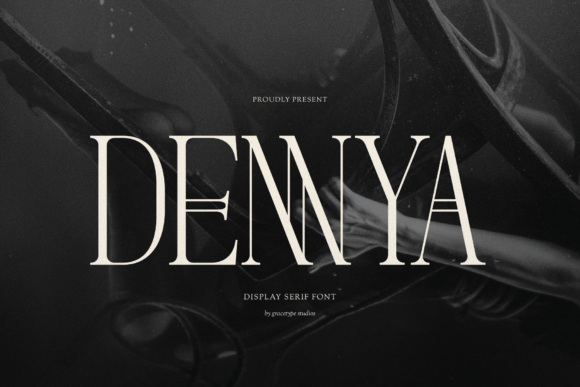
Dennya is a display serif font designed to convey elite sophistication through high-contrast visual elements. It combines razor-thin hairline crossbars with dramatic, extra-heavy vertical stems, creating a bold and cinematic aesthetic that commands attention. This modern typeface is engineered for editorial prestige, making it an ideal choice for projects that require a strong visual impact without sacrificing elegance.
What Is Dennya?
Dennya is a display serif font characterized by its unique architectural design. Unlike traditional serif fonts, it features razor-thin hairline crossbars paired with dramatically thick vertical stems, creating a striking contrast. Select characters are enhanced with dual-line structural crossbars, which break standard typographic conventions and add a layer of complexity to the design.
This font is not intended for body text but rather for headlines, titles, and other prominent visual elements where a bold statement is needed. Its design makes it particularly well-suited for applications that demand a sense of authority and artistic flair.
Why Consider Dennya?
There are several reasons why someone might be interested in using Dennya. First, its high-contrast design allows it to stand out in editorial or branding contexts where a strong visual identity is crucial. The font’s architectural grandeur and poetic beauty make it suitable for luxury and high-fashion applications.
Second, Dennya offers a unique typographic solution that can elevate the visual hierarchy of a design. Its dramatic weight variations and distinctive crossbars can draw the eye and create a focal point, which is especially useful in environments with competing visual elements.
Third, the font’s cinematic quality can enhance storytelling in editorial or advertising contexts. Whether used in a magazine cover, a product launch, or an art exhibition poster, Dennya adds a level of theatricality that can captivate audiences.
Benefits and Tradeoffs
The primary benefit of Dennya is its ability to command attention and convey a sense of prestige. Its high-contrast design ensures that it remains legible even at large sizes, making it ideal for headlines and titles. Additionally, the font’s architectural details provide a unique visual language that can differentiate a brand from competitors.
However, there are tradeoffs to consider. Because Dennya is a display font, it may not be suitable for extended reading. Its stylized form can become difficult to read in long passages, so it should be used sparingly and strategically. Furthermore, its bold appearance may not align with more minimalist or modern design aesthetics, so it requires careful consideration of context and audience.
Another consideration is the learning curve associated with using Dennya effectively. Designers must understand how to balance its dramatic elements with surrounding content to avoid overwhelming the viewer. Proper spacing, alignment, and color contrast are essential to ensure that the font enhances rather than detracts from the overall design.
Situations Where Dennya Is a Strong Fit
Dennya excels in situations where a strong, authoritative visual presence is required. It is particularly well-suited for:
- High-fashion runway lookbooks: The font’s boldness and sophistication align perfectly with the luxurious and avant-garde nature of fashion presentations.
- Prominent editorial magazine covers: Its dramatic weight variations make it an excellent choice for headlines that need to stand out on newsstands.
- Luxury real estate logos: The font’s architectural detail and prestige make it a fitting choice for branding that conveys exclusivity and high value.
- Avant-garde art exhibition posters: The unconventional crossbars and high contrast add a layer of artistic expression that complements experimental art.
- Boutique product branding: For niche brands seeking to establish a unique identity, Dennya can serve as a powerful differentiator.
In these contexts, Dennya functions as a bold, cinematic centerpiece that reinforces the message and aesthetic of the project.
When Alternatives May Be Worth Considering
While Dennya is a compelling choice for specific applications, it may not be the best fit for all scenarios. For instance, if a project requires a more restrained or modern typography approach, alternatives such as sans-serif fonts like Helvetica or Futura may be more appropriate.
Additionally, if the primary goal is readability across long-form content, a more traditional serif font like Garamond or Times New Roman would be better suited to the task. In digital contexts where screen legibility is a concern, simpler fonts with less contrast may perform better.
Designers should also consider the target audience. If the audience prefers minimalism or has accessibility concerns, a more straightforward font may be necessary to ensure clarity and inclusivity.
Practical Decision-Making Insights
When evaluating whether Dennya aligns with your goals, consider the following factors:
- Project Purpose: Is the goal to make a bold visual statement or to prioritize readability? Dennya is best used when the former is the priority.
- Visual Context: How does Dennya interact with other design elements? It should complement rather than compete with images, colors, or layout structures.
- Audience Expectations: Does the audience expect a sophisticated, high-end aesthetic? If so, Dennya can help reinforce that perception.
- Brand Identity: Does the font align with the brand’s personality and values? A mismatch between the font and brand could confuse or alienate the audience.
By carefully weighing these considerations, designers can determine whether Dennya is the right choice for their project or if another font would be more effective.
In conclusion, Dennya is a display serif font that offers a unique blend of architectural grandeur and poetic beauty. While it is not suitable for every application, it is an excellent choice for projects that require a strong, high-contrast visual identity. By understanding its strengths and limitations, designers can use it strategically to enhance their work and achieve their creative goals.